
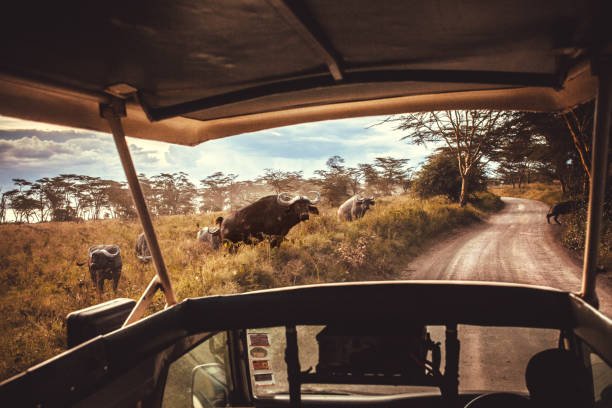
Located in southwestern Kenya, the Masai Mara National Reserve is an iconic and enchanting wildlife haven that captures the essence of Africa’s untamed beauty. Renowned for its breathtaking landscapes, diverse wildlife, and vibrant culture, the Masai Mara is a must-visit destination for nature enthusiasts and wildlife lovers. In this article, we will delve into the wonders of the Masai Mara, exploring its natural treasures, conservation efforts, and the unique cultural heritage of the Maasai people.
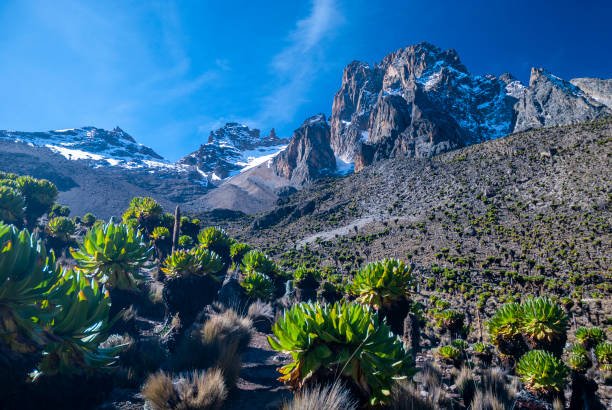
- A Tapestry of Breathtaking Landscapes: The Masai Mara’s expansive grasslands, rolling hills, and meandering rivers form a picturesque tapestry that paints an unforgettable backdrop for wildlife encounters. The reserve, extending over 1,500 square kilometers, offers a diverse range of habitats, from open savannahs to acacia woodlands and riverine forests. This mosaic of ecosystems creates an ideal environment for an abundance of wildlife species, making it a prime safari destination.
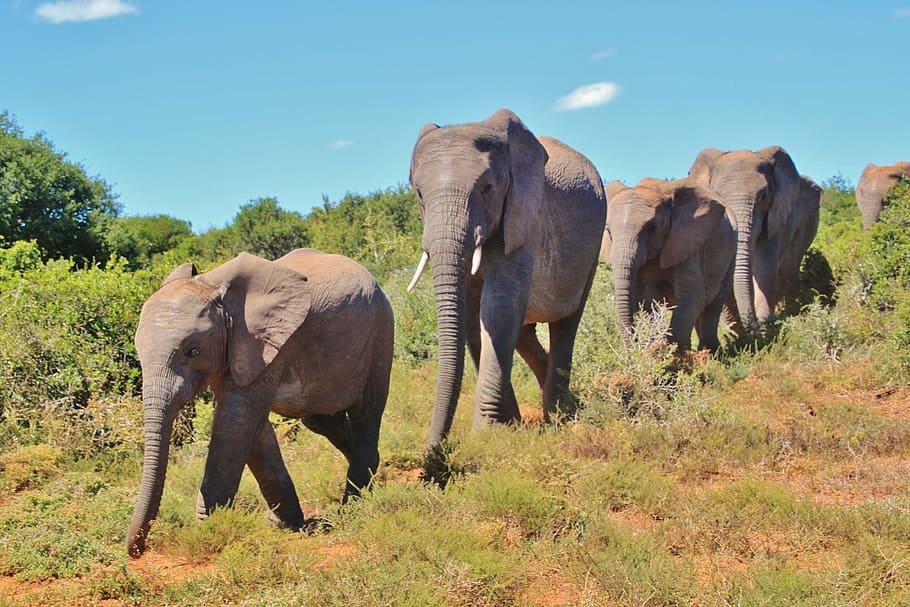
- An Unparalleled Wildlife Experience: The Masai Mara is renowned for its staggering concentration of wildlife, especially during the annual Great Migration. Every year, millions of wildebeest, zebras, and gazelles traverse the treacherous Mara River in search of fresh grazing lands, attracting predators like lions, cheetahs, and crocodiles. This awe-inspiring spectacle is considered one of the most remarkable natural events on Earth. However, even outside the migration period, the Masai Mara boasts an impressive array of wildlife, including elephants, giraffes, buffalos, leopards, and numerous bird species, offering year-round wildlife encounters that are bound to leave visitors spellbound.
- Conservation Efforts and Sustainability: Conservation lies at the heart of the Masai Mara National Reserve. Efforts to protect the region’s wildlife and ecosystems are spearheaded by local communities, conservation organizations, and the Kenyan government. Conservation initiatives focus on combating poaching, protecting endangered species, and promoting sustainable tourism practices that minimize the environmental impact. Several community-led conservancies have been established around the reserve, empowering local communities to benefit from wildlife conservation and ensuring the preservation of this natural treasure for generations to come.
- Cultural Heritage of the Maasai People: The Masai Mara region is deeply intertwined with the Maasai culture, one of Africa’s most iconic indigenous communities. The Maasai people, known for their vibrant traditional clothing, intricate beadwork, and rich oral traditions, have lived harmoniously with wildlife for centuries. Visitors to the Masai Mara have the opportunity to immerse themselves in Maasai culture, engage in traditional dances, witness age-old ceremonies, and learn about the community’s deep connection to the land and its wildlife. Many lodges and camps in the area provide guests with authentic Maasai experiences, creating a meaningful cultural exchange that enhances the overall safari experience.
- Sustainable Tourism and Responsible Travel: As the Masai Mara continues to attract a growing number of visitors, sustainable tourism practices are crucial to preserve its ecological integrity. Responsible travel entails respecting wildlife, adhering to designated tracks, and following ethical guidelines while interacting with animals. Choosing accommodations that prioritize sustainability and contribute to local conservation efforts is also essential. By embracing responsible travel practices, visitors can ensure that their presence in the Masai Mara has a positive impact on both the environment and local communities.
The Masai Mara National Reserve in Kenya is a testament to the splendor of Africa’s wildlife and natural wonders. With its awe-inspiring landscapes, unparalleled wildlife encounters, and rich cultural heritage, the Masai Mara offers an experience that is as educational as it is unforgettable.