
Nestled in the Great Rift Valley of Kenya, Lake Nakuru is a mesmerizing body of water that beckons travelers with its stunning beauty and diverse ecosystem. Famous for its abundance of vibrant pink flamingos that grace its shores, Lake Nakuru National Park is a sanctuary for both birdlife and wildlife enthusiasts alike. In this article, we will explore the enchanting allure of Lake Nakuru, the unique spectacle of its flamingo population, the diverse array of wildlife that calls it home, and the conservation efforts that ensure its preservation for generations to come.
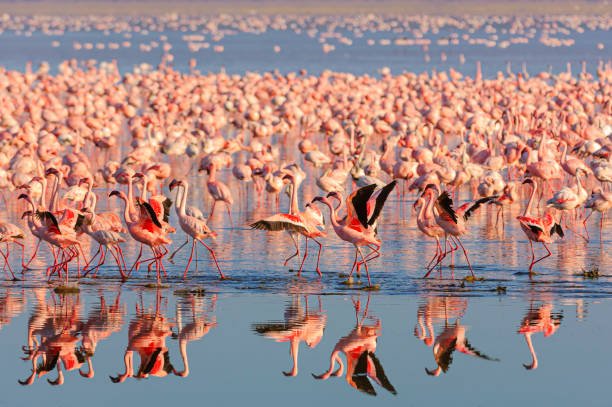
- The Pink Phenomenon: Flamingo Haven Lake Nakuru is internationally recognized for hosting one of the most captivating natural phenomena: the spectacle of millions of flamingos adorning its waters with their pink hues. The lake’s alkaline waters create the perfect environment for blue-green algae, a primary food source for flamingos. As a result, these graceful birds flock to the lake in staggering numbers, creating a breathtaking sight that attracts wildlife photographers and nature enthusiasts from around the globe. The vast pink carpet they form against the backdrop of the lake and its surrounding acacia forests is a sight that leaves an indelible mark on every visitor’s memory.
- Diverse Avian Population: Beyond the mesmerizing flamingos, Lake Nakuru hosts an incredible diversity of birdlife. Over 450 bird species have been recorded here, making it a birdwatcher’s paradise. The lake is home to numerous waterbirds, including pelicans, cormorants, herons, and storks, which thrive in the lake’s nutrient-rich waters. Additionally, the surrounding woodlands are teeming with songbirds, raptors, and colorful species, making Lake Nakuru a hotspot for avian enthusiasts seeking to spot rare and exotic species.
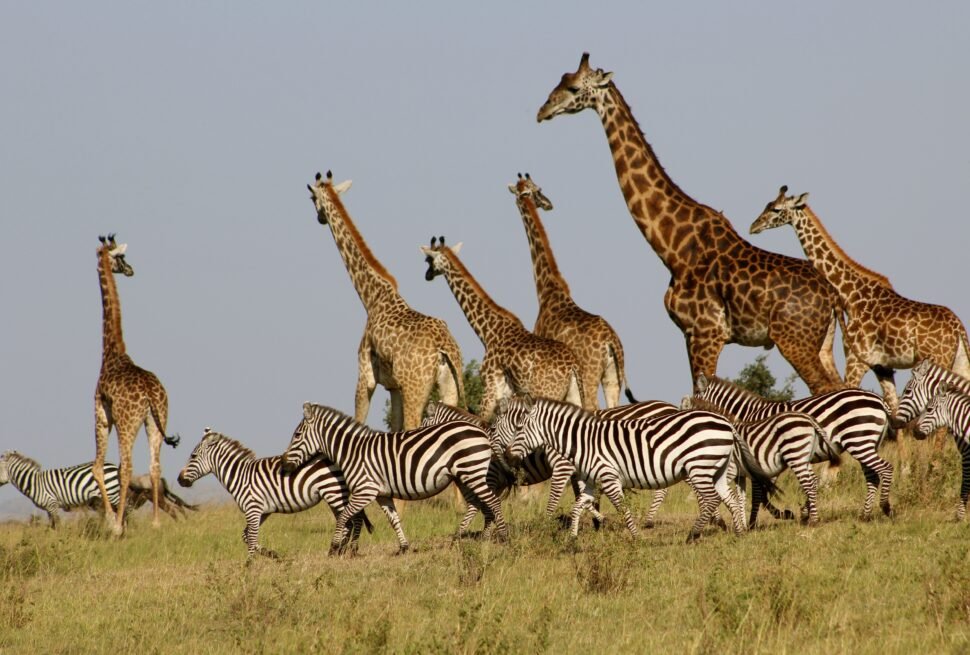
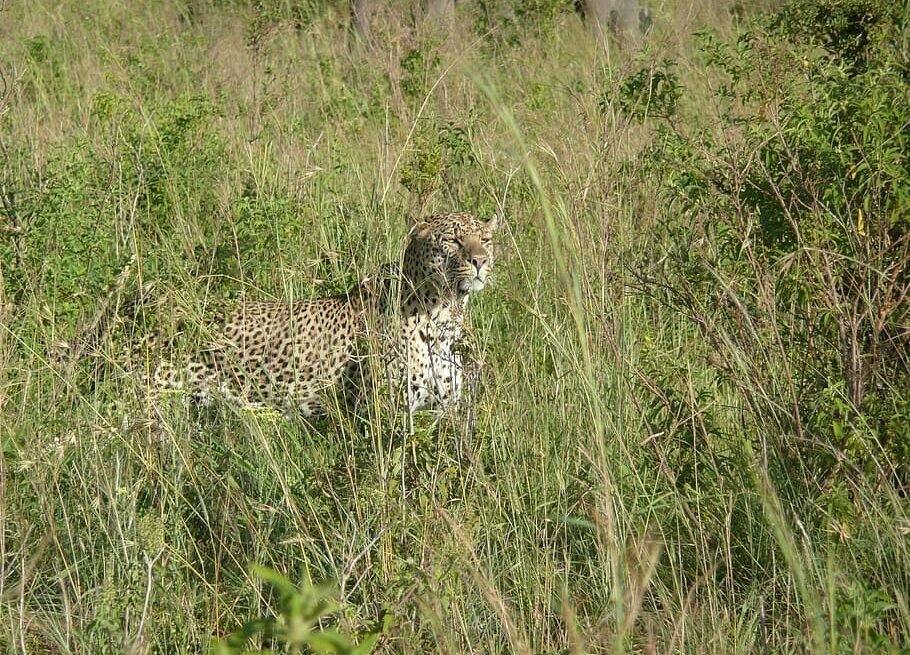
- Abundant Wildlife: While the flamingos may steal the spotlight, Lake Nakuru’s abundant wildlife extends beyond its avian inhabitants. The national park surrounding the lake provides a sanctuary for a diverse array of animals, including both white and black rhinoceros, lions, leopards, giraffes, buffalos, zebras, and countless antelope species. The park’s compact size allows for easy wildlife viewing, ensuring visitors have ample opportunities to encounter some of Africa’s most iconic animals up close.
- Ecological Conservation: Recognizing the ecological importance of Lake Nakuru and its surroundings, the Kenyan government, along with conservation organizations and local communities, has worked tirelessly to protect and preserve this unique ecosystem. Efforts to combat poaching, habitat degradation, and pollution have been pivotal in maintaining the delicate balance of the lake’s ecosystem. Notably, the successful rhino sanctuary within the park has been a cornerstone of rhino conservation efforts in Kenya, providing a safe haven for these endangered creatures to thrive.
- Beyond the Flamingos: Nature Activities: Lake Nakuru offers more than just birdwatching and wildlife safaris. Visitors can partake in various nature-oriented activities such as guided walks, picnics, and scenic drives along the lake’s picturesque shores. The viewpoint on Baboon Cliff provides a panoramic vista of the lake and its inhabitants, while Makalia Falls offers a refreshing escape into lush greenery and cascading waters. For a more immersive experience, camping under the African stars is a fantastic way to connect with nature and absorb the serene beauty of Lake Nakuru.
Lake Nakuru’s extraordinary beauty, from the ethereal pink spectacle of its flamingos to the diverse wildlife that graces its shores, makes it a must-visit destination in Kenya. As a testament to the importance of conservation, the lake continues to serve as a vital sanctuary for countless species of birds and animals.