
Tucked away in the central highlands of Kenya, the Aberdare Ranges stand tall as a majestic mountain range, showcasing the country’s diverse natural wonders. This captivating region, encompassing the Aberdare National Park, offers a picturesque landscape of mist-shrouded moorlands, dense forests, cascading waterfalls, and abundant wildlife. In this article, we will delve into the allure of the Aberdare Ranges, its unique biodiversity, rich cultural history, and the efforts to conserve this pristine highland sanctuary.
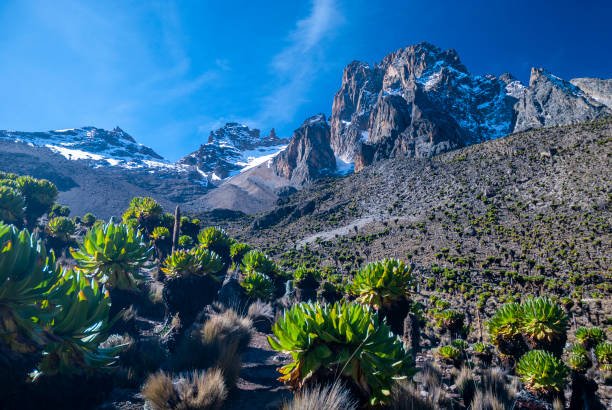
- A Panorama of Natural Beauty: The Aberdare Ranges stretch across approximately 160 kilometers, offering a picturesque panorama of lush green hills, dramatic valleys, and soaring peaks. The range is part of the eastern branch of the East African Rift System, a geological wonder that has shaped the landscape over millions of years. With altitudes ranging from 3,000 to 4,000 meters above sea level, the Aberdares command awe-inspiring views of the surrounding plains and distant Mount Kenya.
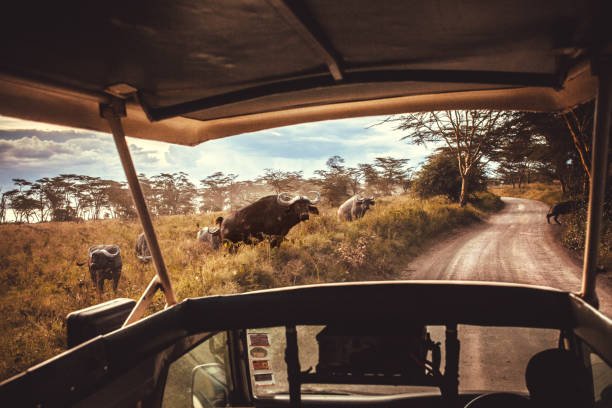
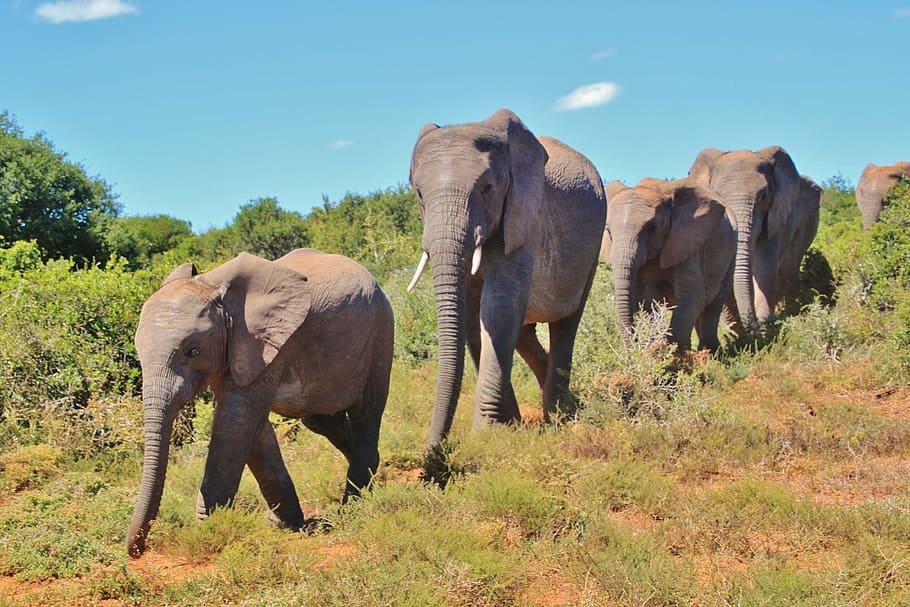
- Biodiversity Hotspot: The Aberdare Ranges are a biodiversity hotspot, boasting a wide range of habitats that support an incredible variety of plant and animal species. The lower slopes are covered in dense montane forests of bamboo and cedar, while the upper moorlands consist of tussock grasslands and heathlands. This unique combination of ecosystems provides a haven for numerous wildlife species, including elephants, buffalos, leopards, hyenas, and various primates. Additionally, the Aberdare Ranges are a crucial habitat for the endangered bongo antelope, one of Kenya’s most elusive and rare animals.
- Majestic Waterfalls and Rivers: The Aberdare Ranges are home to a network of rivers and streams that originate from its peaks. These waterways give rise to magnificent waterfalls, such as the renowned Karuru Falls and Gura Falls. The cascading waters create a picturesque sight amid the verdant landscapes, offering visitors breathtaking spots for relaxation and photography. The rivers also play a vital role in supporting local communities and wildlife by providing water for agriculture and sustenance.
- Rich Cultural Heritage: The Aberdare Ranges hold significant cultural importance for the indigenous communities living in the region. The Kikuyu, Maasai, and Ogiek communities have resided in and around the Aberdare area for generations, passing down their traditional knowledge and practices through the ages. The ranges are dotted with sacred sites, folklore, and customs that reflect the deep bond between the people and the land. Today, community-based tourism initiatives allow visitors to engage in cultural exchanges, learning about the traditional lifestyles and customs of the local inhabitants.
- Conservation and Preservation: Recognizing the ecological significance and cultural heritage of the Aberdare Ranges, the Kenyan government and various conservation organizations have undertaken substantial efforts to protect and preserve this unique landscape. The Aberdare National Park was established in 1950 to safeguard the range and its diverse inhabitants, and it has since become a critical sanctuary for wildlife conservation. Anti-poaching patrols, habitat restoration programs, and sustainable tourism practices are some of the initiatives employed to maintain the delicate balance of the ecosystem.
The Aberdare Ranges stand as a testament to Kenya’s natural and cultural diversity, offering visitors a glimpse into the country’s untamed beauty and rich heritage. From its breathtaking landscapes to its abundant wildlife and unique cultural history, the Aberdare Ranges are a haven for nature enthusiasts and adventure seekers alike. By embracing conservation efforts and supporting sustainable tourism, we can ensure that this picturesque highland sanctuary remains preserved for future generations.